
Standby Power Generators: Shouldn’t I Just Rent?

By the time the middle of summer approaches, most Florida residents are thinking about what they need to top off their hurricane supplies. Every year, residents on the Atlantic coast prepare for hurricanes, tropical storms, and the resulting power outages that threaten the area. Most emergency supplies are relatively inexpensive, and can even be used up if the hurricane season passes without a major storm, but one major item is neither: standby power generators.
If you live in an area that’s subject to regular, sustained power outages, it makes sense to keep a standby power supply around, or at least to know where to get one if the lights go out. You might look at the relative costs of buying a standby generator vs. renting one, and decide to take a chance at not needing it often enough to make it worth the expense of purchasing your own. Unfortunately, when the power goes out for more than a few hours, your options will be limited when it comes to getting electricity back into your home.
Cost Comparison
Costs vary depending on brands and your part of the country, but the average rental cost of a medium-sized portable generator runs between 5 and 10 percent of the cost of buying one. If you can find a generator on sale, as they usually are after hurricane season is over, you can close that gap considerably. The bottom line is that when you buy standby power generators, you have the option of waiting around to find the best deal. If you wait until the power goes out to rent one, you’re a captive audience, forced to pay whatever the dealer is charging during an emergency. And it’s doubtful that there will be discounts that week.
Availability
Hardware stores and big box retailers can only stock a certain number of rental generators, in order to make the space cost-effective. If you’re lucky enough to get to the store right after the power goes out, you may be able to rent one of the few samples they keep around. When their supply is gone, they won’t open cases to convert sales models to rental units. They’ll simply switch to a sales-only model, at the full, non-discounted price. Depending on where you live, you may not even have much of a chance of finding a rental generator in the case of a long-term power outage. Even if you do, the chances that it will be the right size for your needs and budget are very small.
Maintenance
When you buy your own standby generator, you take responsibility to keep up the maintenance each season, making sure it’s in top condition so that it works well when it’s needed. After all, an emergency generator has to be a reliable last resort for keeping your home and belongings safe and comfortable. Reputable dealers may service their generators, but there are no guarantees. One lazy employee or busy week where things got forgotten, and you can have a broken generator on your hands with no way to replace it with a working model. You don’t know how the last renter treated it, and you don’t know if the maintenance schedule was followed correctly. With your own model, however, you know you’ve got the best possible chance of having power on all through the outage.
The Right Size
Even if you find an available standby generator at your local store during a power outage, it may not be big enough to power all the equipment you want to keep running. Most emergency rentals are powerful enough to run your refrigerator/freezer, a few lights, and some fans. If you’d like your life during the blackout to be more than simply camping out in your house, you probably want a larger standby generator. The only way to guarantee this is to buy your own before the power goes out. You can find generators that run your computers and television all the way up to whole-house models that let you forget that anything’s wrong in your neighborhood. When you buy your own standby generator, you decide the level of comfort you need when the lights go out.
Read MoreSaving Energy Costs by Changing Small Habits
It’s the little things in life that make the most impact. The experts can do studies all day long about the average cost of using each appliance, but it’s the actual way you use it that determines how much you’re going to have to pay. Changing out light bulbs for efficient LED lights and replacing old appliances with new and greener versions is a good start toward saving energy costs, but your daily habits can undermine all that good planning if you’re used to squandering power. Take a look at the way you habitually use your appliances to see if you’re secretly wasting energy without even knowing it.
Washer and Dryer
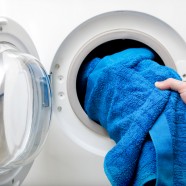
Your washer and dryer can each cost over $100 a year to operate, so getting the most efficient use out of each one should be high on your frugal savings list. Setting up your laundry the right way and doing it all on one day is the way to start. Drying clothes one batch after another will take advantage of the residual heat, saving dryer electrical costs. Separate your clothes into lighter loads and heavier ones, and dry the lighter ones outdoors if possible. Pull the clothes from the dryer before they’re completely dry and hang them up for a wrinkle-free wardrobe. Never run a partial load, of course, and never run the dryer without first emptying the lint filter for the most efficient use.
Stove and Oven
If you’re trying to save money you’ll have to cook every day, as eating out constantly won’t be an option. Common sense use with your stove and oven can result in significant savings.
- Cook elsewhere whenever possible. Use a toaster oven for small pans of food and grill outside during warm weather to save oven energy as well as air conditioning costs
- Use the oven efficiently. Keep the door shut until at least the minimum cooking time has passed, to save money on lost heat. Turn the oven off five minutes before baked goods are done, and ten minutes in the case of meats. The residual heat will finish cooking without loss of food quality.
- Use smaller pots on smaller burners, and cover them with tight-fitting lids as often as possible. Change your pots to those with copper bottoms for the most efficient heat distribution.
- Buy or make stove reflector pans to place around burners. The shiny surface will reflect the heat and direct it upward instead of it being lost out the sides. Your grandmother and her aluminum foil around her burners was right.
Refrigerator and Freezer
Depending on its age and use, your refrigerator/freezer can be the most expensive appliance in the house. Fortunately, it’s also the one appliance that the easiest to save money with, just by changing your habits and usage.
- Start by always keeping your freezer full. The motor runs more efficiently if it doesn’t have to cool empty spaces. If you don’t have enough food to fill the space, fill milk jugs with water and use them to fill the empty spaces.
- Keep it clean to keep it efficient. Clean the rubber gaskets around the doors to remove any food or debris that can keep it from forming an airtight seal, and replace any gasket that’s cracking. Also, vacuum the fan on the back of the refrigerator once a month. Excess dust makes the motor work overtime, and clearing the area will smooth the way to saving energy costs.
- Change the refrigerator temperature to 38 degrees. You’ll still keep your food cold without allowing it to go into the food safety danger zone, but you’ll save energy by raising the temp a bit higher above freezing.
- That fridge in the man cave? If you’ve got one, replace it with a smaller apartment-sized version or, better yet, a cooler with a bag of ice. Donate the family sized version to a charity that will haul it away.
Miscellaneous
Even smaller changes can reap big savings. Did you know that the average small electric room heater costs around $300 a year to run? They among the most inefficient pieces of equipment you might have in your house. Substitute warm socks, slippers, sweaters, and electric blankets, and insulate your windows to prevent drafts in the winter so you can get rid of that energy waster.
Use kitchen and bath fans to remove moisture and smoke, but turn them off immediately after you use them.
Turn your dishwasher to economy mode to save water and electricity, or do the dishes by hand once or twice a week.
Read More
5 Lighting Tips for Electric Energy Savings

A light bulb is a light bulb, right? Not any more. Gone are the days of incandescent bulbs in all regular lamps and one kind of fluorescent bulb in utilitarian settings. Today’s light bulbs are greener, come in a huge variety and, most importantly, save energy and money. Whether you’re shedding light on a home reading corner or in a restaurant kitchen, you can find a bulb that uses less energy while having less impact on the environment.
Home Lamps
Replace all of the bulbs in your home lamps with CFL bulbs. These compact fluorescent lights are much more energy efficient while giving off the same amount of light. Unlike the older halogen bulbs, which can get hot enough to cause a fire. CFL bulbs save energy without the danger. You can find CFL bulbs in a multitude of sizes and shapes, from common lamps to unusual ceiling spots. They come in a variety of light colors, from warm tones to the starkest blue-white.
You’ll also get a large amount of savings by replacing older bulbs with LED lights. These lights are very bright and give off no heat whatsoever, so they’re safer to use where children will be in the area, and can be extremely energy-efficient.
Outside Lighting
Businesses and homes rely on outside lighting both for security and for esthetics. While a building that’s lit all night long might be safer and look better, it can turn into an energy suck in very little time. This doesn’t mean you have to pull out your outdoor lighting system, only that you should adjust your lighting methods. Set a timer for your outdoor lights to go on and off, and make sure to adjust it as the seasons change. Save even more money by installing a motion detector for all your outdoor lights. It will serve as an even better security method by adding the element of surprise, while still allowing visitors to admire your landscaping.
Lamps
Find the five lights that are used most often in your home or business and replace them with ENERGY STAR products. Each light with an efficient substitute can save you a significant amount of money in a year, and replacing the five most-used ones can give you a surprising amount of savings. Increase the savings by replacing the rest of the lampshades in the home with translucent shades. More light will stream through into the room, allowing you to switch to a lower wattage bulb, giving you even more electric energy savings.
Fluorescent Tubes
In rooms where utility is more important than looks such as a nursery, kitchen, or craft room, change up your traditional lighting and install fluorescent tube lighting. While not fancy, these lights give off much more light while using less energy than comparable incandescent bulbs. If you already have fluorescent lighting in your utilitarian rooms, change the ballasts to newer, energy-saving versions to give yourself a break on your electric bill.
Rearrange
Don’t light an entire area of the house if you normally only use one small portion of a room. It’s customary to turn on the lights when you come home at night, or when it gets dark, but there’s nothing wrong with having a few dark rooms in your home. Most people have their favorite spot or two that they like to curl up in at the end of the day. Instead of lighting the entire room, add a smaller lamp with a pinpoint light if you usually read or crafts in that seat. With the light being closer to your eyes, you can use a more energy efficient bulb with a lower wattage while still having enough light to enjoy your relaxing activities. Install tiny strings of bulbs along stair risers to light the way without needing a hall light turned on, and place small reading lamps just above each pillow to allow for reading in bed without using excess energy.
Read MoreDo You Need an Electrical Preventive Maintenance Program?
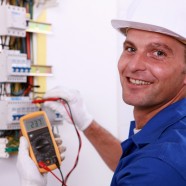
A Commercial Electrical Contractor will be able to provide you with one.
Whether you’re running a medical clinic or a gourmet restaurant, the majority of your equipment runs on electrical power. Trouble with your electrical system can run the gamut from annoying, as with a blown light bulb, to the crucial when you need medical equipment to be available for sick patients. You can install a backup generator to get you back up and running in case of a power outage, but what about preventing other electrical problems? An electrical preventive maintenance program, or EPM, will prevent almost all the foreseeable trouble you might encounter with any of your electrical systems and equipment. A commercial electrical contractor will be able to answer questions you may have about setting up your own program.
Safety
Electrical equipment is one of the three most common causes of fire in all businesses. Fires cause millions of dollars in damage every year, but more importantly, they’re a danger to employees and firefighters. Most fires can be prevented by investigating wiring and electrical systems in the business, and repairing or replacing frayed wires and other damaged equipment. Wear and tear on equipment is normal, and starts the minute you install it in your business. The only way to know when your equipment has worn to the point of being dangerous is by scheduling an electrical preventive maintenance program.
Benefits
Installing an EPM program into your monthly schedule may seem like an intrusive and time-consuming chore, but the benefits far outweigh the costs in every case.
- It reduces accidents and fires and could save lives
- It controls the costs of repairs and equipment replacement. Costs are spread out over time instead of you being hit with one large, unexpected bill
- It increases the chances of your having breakdown-free days. If a breakdown does occur, your business downtime is usually significantly shorter.
- It maintains your equipment at its highest operating efficiency
- It can improve employee morale. Team members know you value them enough to take care of your work environment, and they aren’t as worried about equipment breaking down and interrupting their work day
Things to Consider
Creating an EPM program isn’t an invisible, behind-the-scenes process. It takes time and effort on the part of employees and management alike, but it’s much less disruptive than a power outage or sitting through downtime on a major piece of equipment. Every business is different, but you can expect it to take about six hours every month to complete. If you have an interruption-sensitive business with customers that walk in your door, you’ll have to schedule people to stay after normal closing time to work with the commercial electrical contractor.
The cost of the program will depend on the age and condition of all the electrical equipment in the building. You and the contractor will consider things such as equipment condition, the possibility of product spoilage when systems are down, changes in system loads due to increased business, and the local weather patterns when you sit down to finalize your plan. It’s a very personalized process, and one which can only be planned out after a thorough inspection of your entire business. Once the plan is made, you can expect at minimum for the contractor to inspect the wiring, circuit breakers, connections to HVAC systems, and any piece of electrical equipment you may use including POS systems. He’ll check for condition and safety in every part of your business, and repair any parts that appear to be wearing out, to ensure that your business will continue to run safely.
Read More6 Top Tips for Standby Generator Maintenance
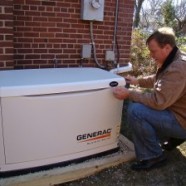
Power outages can range from 2-minute inconveniences to blackouts that last multiple days. The shorter ones can be slightly annoying, but longer blackouts can affect your business or your quality of life. The best way to avoid shutting your business down or suffering through bad weather due to a blackout is to install a standby generator to supplement your basic electrical system. Like any other piece of electrical machinery, generators need to be maintained on a regular basis to keep them in good working order. If you want your standby generator to be reliable in a blackout, you have to be reliable in the care you give it the rest of the year.
Tip #1: Read the Owner’s Manual
Every generator has a slightly different set of procedures for its regular maintenance schedule. Before trying any form of mechanical work on your standby generator, read the manual to find the model-specific advise it offers.
Tip #2: Conduct a Visual Inspection
Whether you have a built-in generator or a portable model, you should visually inspect it on a regular basis. Look for leaves and other plant debris that may have blown into the body that may clog operations. Try spotting puddles of oil and coolant to make sure leaks haven’t developed. Make sure the exhaust port is open and free of clogs.
Tip #3: Change the Oil Regularly
You probably wouldn’t drive your car for a year without changing the oil. The same thing applies to the motor in your standby generator. The oil inside has to be changed on a regular basis, especially after being used for any length of time. After a lengthy period of use, allow the generator to cool down for at least 48 hours. Check the oil to see if it needs changing.
If the oil needs changing, empty out the old oil and replace it with 2 quarts of new. You can use natural oil or synthetic, but synthetic oil works better in extreme cold and higher heat, so it may be a better choice. While you’re changing the oil, change out the old, dirty oil filter and replace it with a fresh one.
Tip #4: Pull the Spark Plugs
Spark plugs can get dirty and corroded in a generator, even with light use. Pull the plugs in yours after one year and compare them to a set of new ones. You’ll probably find that the old set is covered in brown and black corrosion. Replace all the spark plugs with a new set, then mark your calendar to remind yourself to do the same thing next year.
Tip #5: Replace the Air Filter
You know how dirty the air filter gets in a car or your home furnace. Accumulated dust and dirt will eventually clog the air passages, preventing fresh air to move through. Depending on the air quality in your environment, you may have to replace the air filter in your standby generator twice a year or every two years. It’s a simple procedure – just open the cover, slip out the old filter and slide in a new one.
Tip #6: Run the Engine
Start and run your standby generator every month. Let it run until the temperature stays the same for at least 10 minutes. This will allow the oil to circulate throughout the engine, lubricating the parts, and will ensure that no leaks or cracks in the exhaust are beginning to form.
At the absolute minimum, standby generator maintenance is something you should do at least once every two years, or after 200 hours of constant use. Never using the generator is not an excuse for leaving it alone for years at a time. Doing that will almost guarantee that it will fail you when you need it most.
Read More
Recent Comments